 The Global Expat Hub
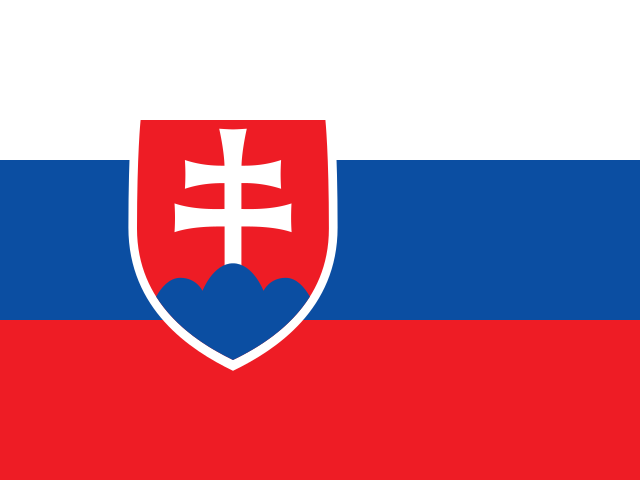 Slovakia
's routes in the 2026 guide are work-based: temporary residence for employment with a work permit or EU Blue Card, and temporary residence for business on a trade licence, which is also the route freelancers and remote workers are pointed to. The guide is explicit that there is no passive-income visa and no nomad visa. It scores Slovakia 44/100 for visa and bureaucracy — the lowest of its seven dimensions — and describes the bureaucracy as Slovak-only.
The routes the guide names
Temporary residence for employment — with a work permit or EU Blue Card.
Temporary residence for business (trade licence) — the guide names this for freelancers, and repeats it in its remote-work section: the business-residence route on a trade licence works for freelancers.
Family reunification — named in the third visa line, alongside the statement that there is no passive-income or nomad visa.
The guide's overview sets expectations plainly: Bratislava is an hour from Vienna at half the cost, but the expat scene is small and the bureaucracy is Slovak-only.
What is not available — and the income tests the sources do not give
Two routes readers often ask about are ruled out in the guide's own words: no passive-income visa and no nomad visa. Retirees are in the same position — the guide states there is no retirement route (see the Retirement page).
On income tests, the guide and the site data are silent: neither source prints an income threshold, salary floor, or funds requirement for any Slovak route — not for employment, not for the trade licence, and not for family reunification. This page does not invent one. Any figure you need for filing has to come from the consulate or an immigration lawyer, not from this guide.
What the paperwork costs — plan budgets, not government fees
The guide does not list individual government visa fees. What it gives is a bundled “Visa, permits & translations” budget line in each move plan, and those lines are the only sourced cost figures for the application itself:
- $850 — Affordable plan (you file yourself)
- $1,250 — Mid-range and Retirement plans
- $3,000 — Luxury plan (the plan notes the luxury tier adds an immigration lawyer)
The Retirement plan carries one further, separate line: $2,300 for “Retirement visa, lawyer & pension certification”, covering an immigration lawyer, apostilled pension letters, medicals and translations — although, as the Retirement page explains, the guide's own country text says Slovakia has no retirement route, so treat that line as part of the guide's standard retirement-plan template, not as evidence of a Slovak retirement visa.
Application steps and timelines, by tier
The guide builds the application into each plan's timeline rather than printing a single step list. The common sequence across the plans and checklists is:
- Choose the route first and print its requirements; the Affordable checklist starts with “Visa route chosen and requirements printed.”
- Gather and legalise documents — apostilles and translations are named in every tier.
- Check your passport — the Affordable checklist requires a passport valid 18+ months.
- Arrange health insurance before you file (see the Hospitals page for the guide's first-year insurance budgets).
- File — yourself on the Affordable tier, or with a lawyer or agent on the Mid-range, Luxury and Retirement tiers.
Paperwork-stage durations in the guide: ~10 weeks filing yourself (Affordable), ~8 weeks with a lawyer or agent filing (Mid-range), ~6 weeks with a lawyer filing everything (Luxury), and ~14 weeks for the Retirement paperwork stage. After the move, the settle stage includes registering your address and opening a bank account.
Renewals and the path to residency — the honest limit of the guide
Neither the guide nor the site data gives renewal intervals, residence-permit durations, years to permanent residence or citizenship, or absence limits for any Slovak route. The routes are named as temporary residence, and that is as far as the sources go. Treat the duration and renewal terms of any permit as something to confirm with an immigration lawyer or the consulate before you rely on it — the Mid-range and Luxury plans' lawyer lines exist for exactly this kind of question.
Frequently asked questions
Does Slovakia have a digital nomad visa?
No. The guide states there is no nomad visa; the route it points freelancers and remote workers to is business residence on a trade licence.
Can I move to Slovakia on passive income or a pension?
Not on a dedicated route — the guide says there is no passive-income visa and no retirement route. It says retirees generally hold EU citizenship or use the business-residence route.
What are the main residence routes?
Temporary residence for employment with a work permit or EU Blue Card, temporary residence for business on a trade licence (the freelancer route), and family reunification.
How much should I budget for the visa paperwork itself?
The guide's bundled 'Visa, permits & translations' line is $850 if you file yourself (Affordable plan), $1,250 on the Mid-range and Retirement plans, and $3,000 on the Luxury plan. The guide does not break out individual government fees.
How long does the paperwork stage take?
In the guide's plans: about 10 weeks filing yourself, about 8 weeks with a lawyer or agent filing, about 6 weeks on the Luxury plan, and about 14 weeks for the Retirement paperwork stage.